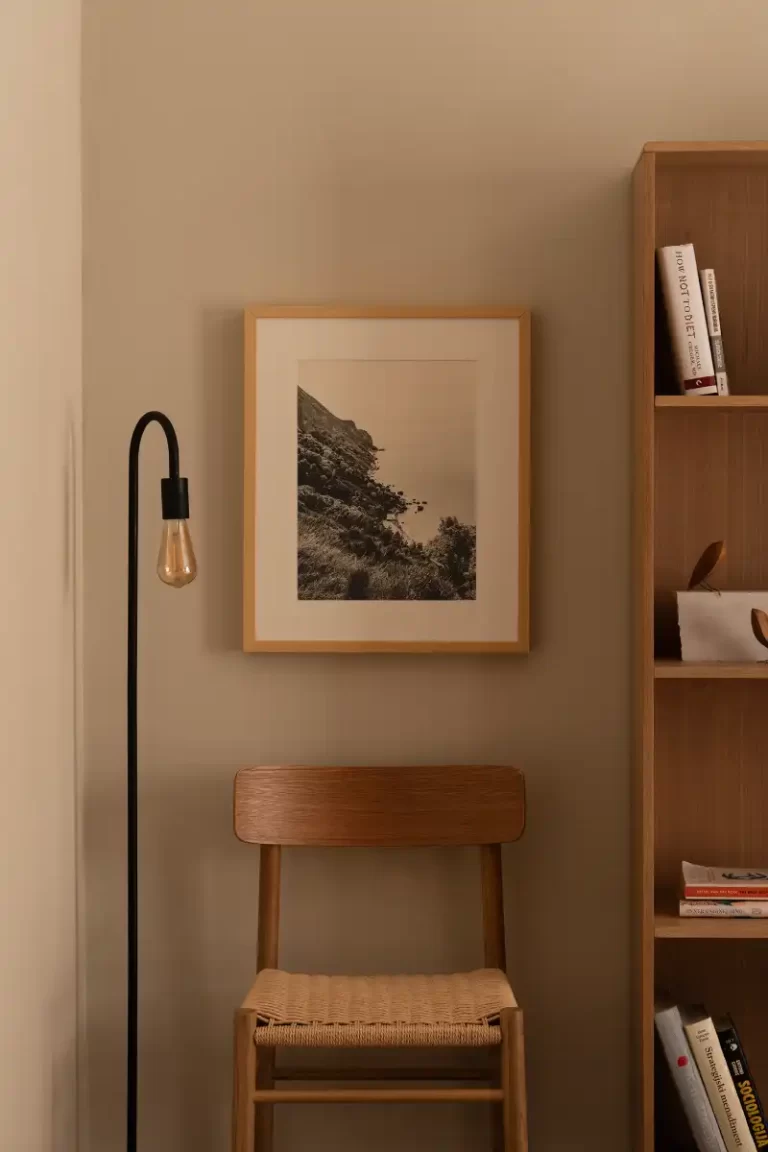
Project: Building an Art Collection

Every home that holds an art collection carries a different kind of vibe – and you register it instantly.
Still, few have the courage to take on this not-so-easy task.
The collection of art on your walls speaks volumes about you and often becomes an intimate reflection of yourself. It connects you — with yourself and with those you welcome into your space. It sparks conversation, but more often, it reflects your sensibility.
The best advice we can give about collecting art is simple: follow what moves you emotionally.
Creating an art collection is a very personal process. It isn’t something completed in a single day — it grows with you over the years. Some pieces may mark milestones: a birthday, an anniversary, a move; others will simply invite you to never forget them.
If you're just starting, here are a few guiding thoughts:
1. 1. Seek Originality
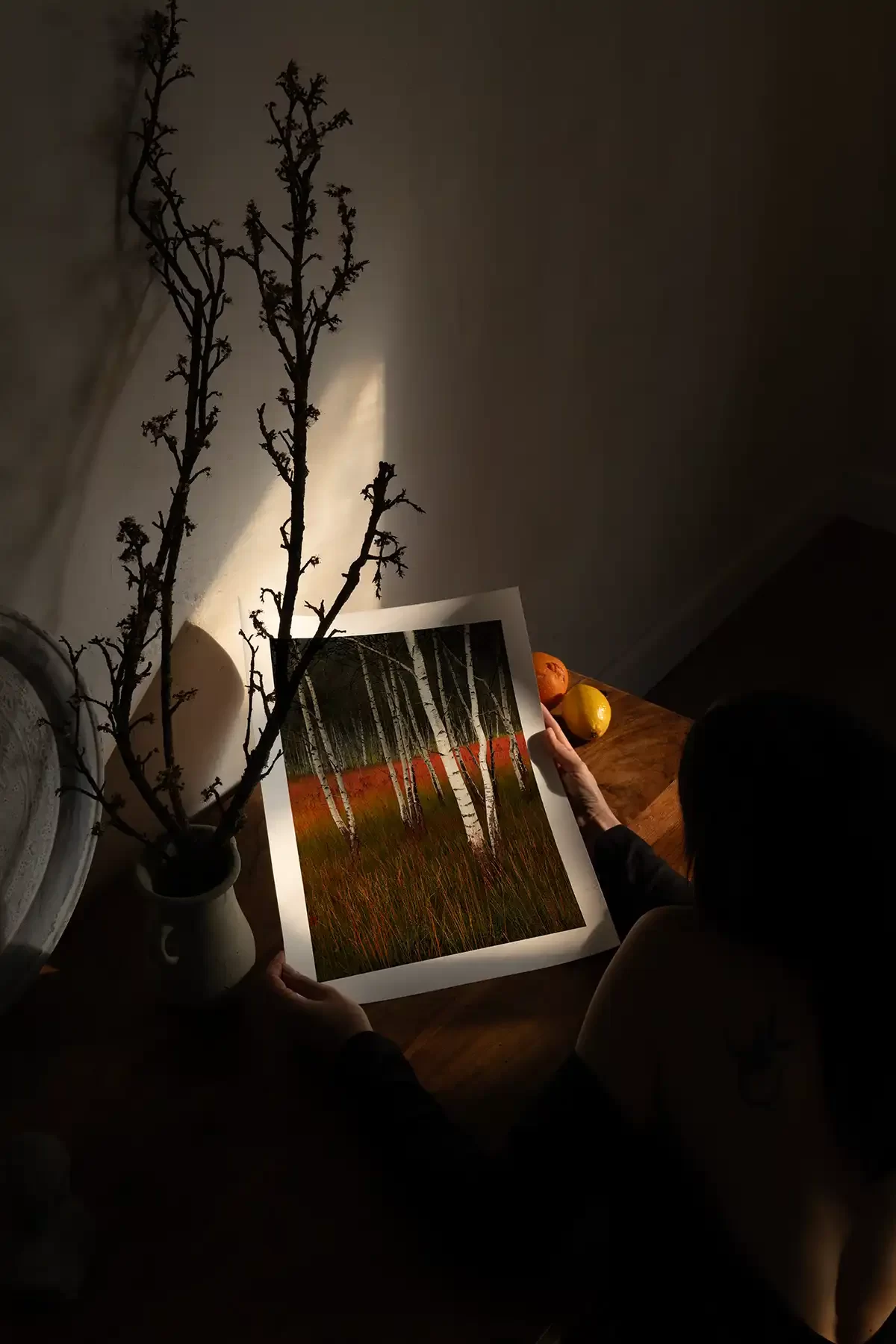
The most important principle in collecting — regardless of budget — is that the work has an author. This ensures that what you own is truly rare and unique. Whether it’s photography, graphic art, or painting, works by an author retain their personal meaning. They carry a signature, a certificate, numbering, and clear provenance. Our advice: never buy a print without at least one of these elements.
2. Follow your instinct, not the trend
In the age of algorithms, it’s easy to lose your own taste. Everywhere you see “top 10 art pieces for your home,” but a true home doesn’t have a list — it has a feeling. Be honest with yourself: what takes your breath away? Which motif brings you back to your dreams? What would you want to look at on a difficult day? If something excites you even before you fully understand it — that is already a signal. Emotional resonance is the foundation of every strong collection. As Dominique Lévy said: “You collect what speaks to you, not what speaks to the market.”

3. Large formats – silence that fills the space
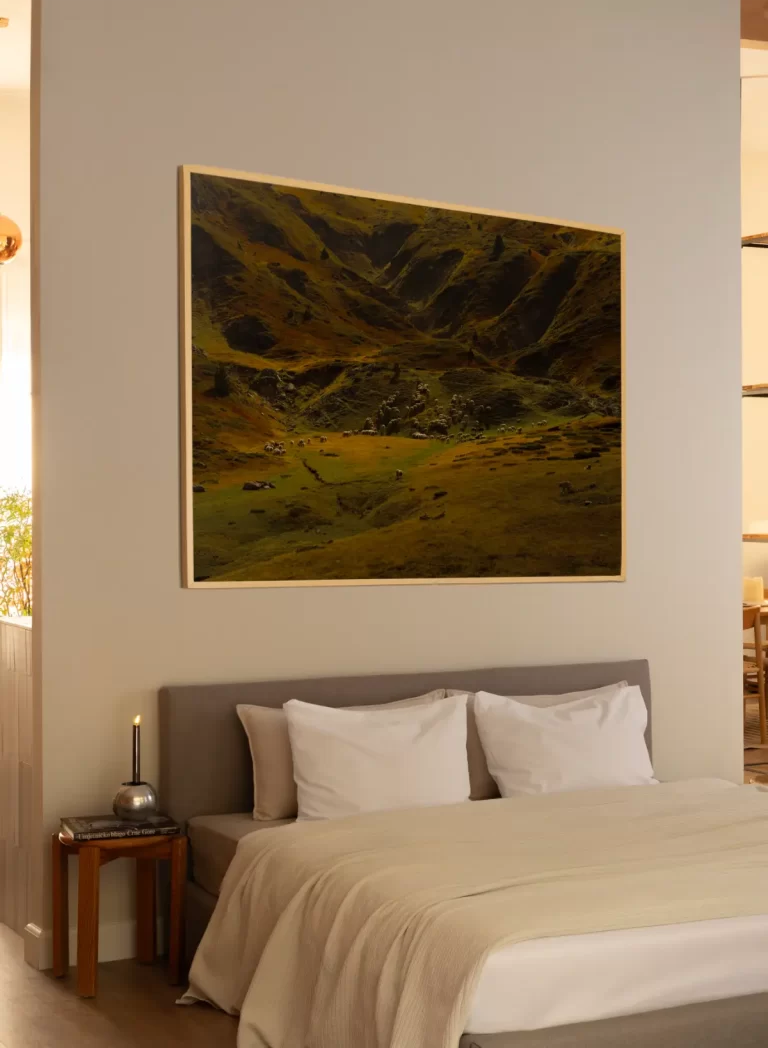
Scale changes everything. In a world overwhelmed with detail, a single large piece on the wall creates a space of silence. Not silence as emptiness, but silence as presence. A larger print has the power to define the atmosphere of an entire room. Instead of creating a collage of small pieces, invest in one work that carries the whole story. This is a more sophisticated aesthetic — and more rewarding in the long run.
4. Framing – your final sentence
Framing isn’t an accessory — it’s the finishing note. Like the final sentence in a book, it sets the tone for everything you’ve experienced. A poor frame can diminish even the strongest piece, while a good frame elevates even a modest work to gallery-level presence.
5. Create rhythm through repetition
If you’re just beginning, you might not yet know how to combine multiple pieces into a cohesive wall. Repetition helps.
Several smaller works in the same format, arranged in a regular rhythm, create a strong visual impact – like a musical note repeating.
You can start with smaller prints and expand them over time into a fuller collection.
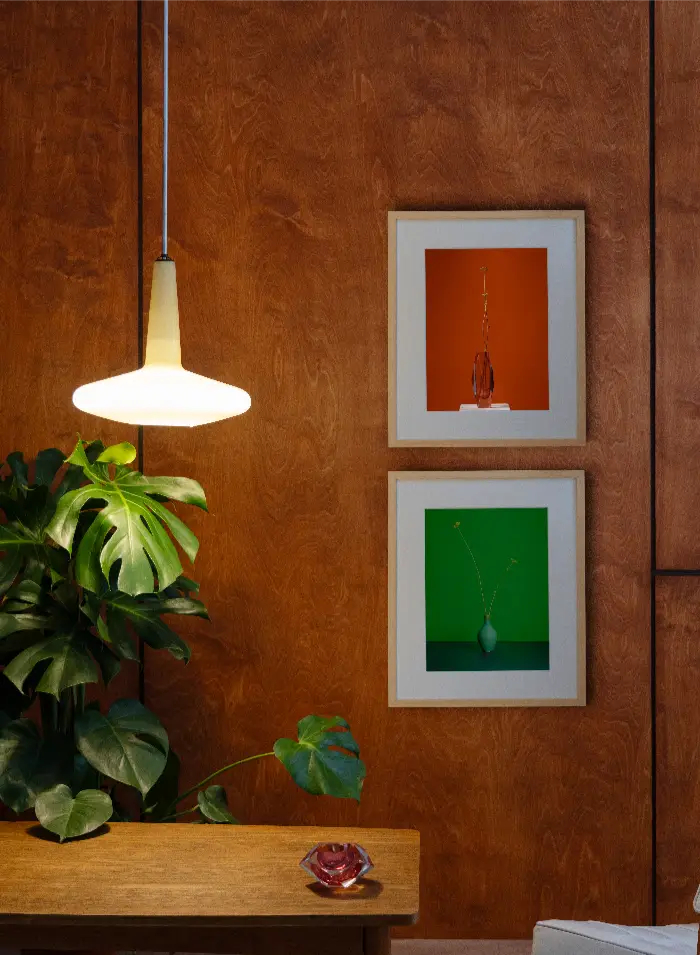
6. Ask someone who understands both space and emotion
Most collectors aren’t sure where to begin — and that’s okay. Asking for guidance isn’t a weakness; it’s maturity. That’s why we offer consultation — because it matters whether a print goes above the bed, the shelf, between windows, or as a solo piece in the hallway. Every space has its own breath — and the right work doesn’t stifle it, it complements it.
7. Respect the medium – use the right words
When you change the words you use, you change your relationship with art.
A photograph is not a “picture.” It’s a work. A piece.
Created in a limited edition, printed with archival pigments on paper designed to last for decades.
And yes – photographs aren’t “hung up” like posters. They’re installed, shoulder to shoulder with works found in galleries.
8. Start with what needs no explanation
If you don’t know where to begin – start with pieces that don’t ask for context.
Those that you feel before you analyze.
Such a work can stay with you for years, even as your style, colors, and moods shift.